Understanding EN ISO 20471: The International Hi-Vis Standard
EN ISO 20471:2013 (High-visibility clothing — Test methods and requirements) is the internationally recognized standard that defines how high-visibility warning garments must perform to protect workers in environments where they risk being struck by vehicles or mobile machinery. This standard replaced the earlier EN 471:2003+A1:2007 and is harmonized across the European Union as part of PPE Regulation (EU) 2016/425. For procurement managers sourcing hi-vis vests for their organizations, understanding this standard is essential to ensuring legal compliance and genuine worker protection.
Fluorescent Background Material Requirements
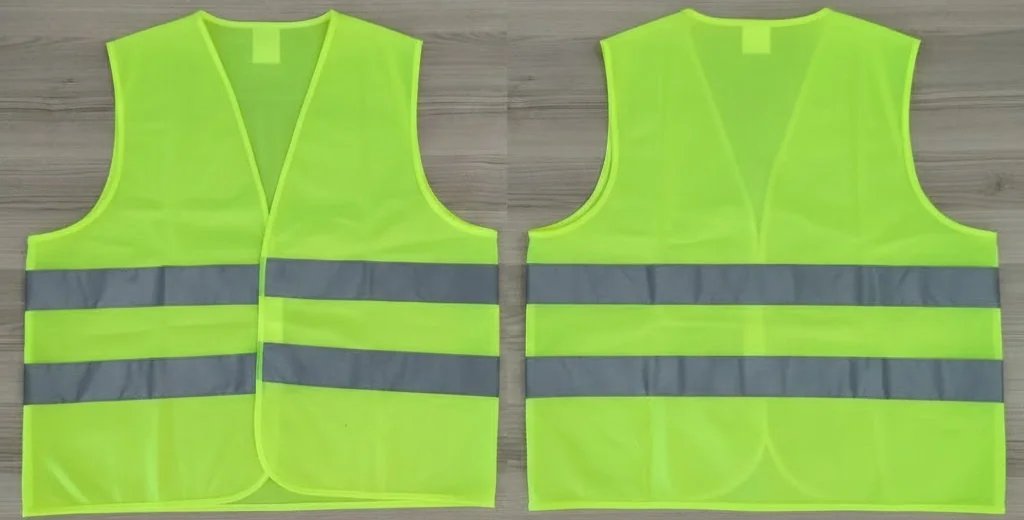
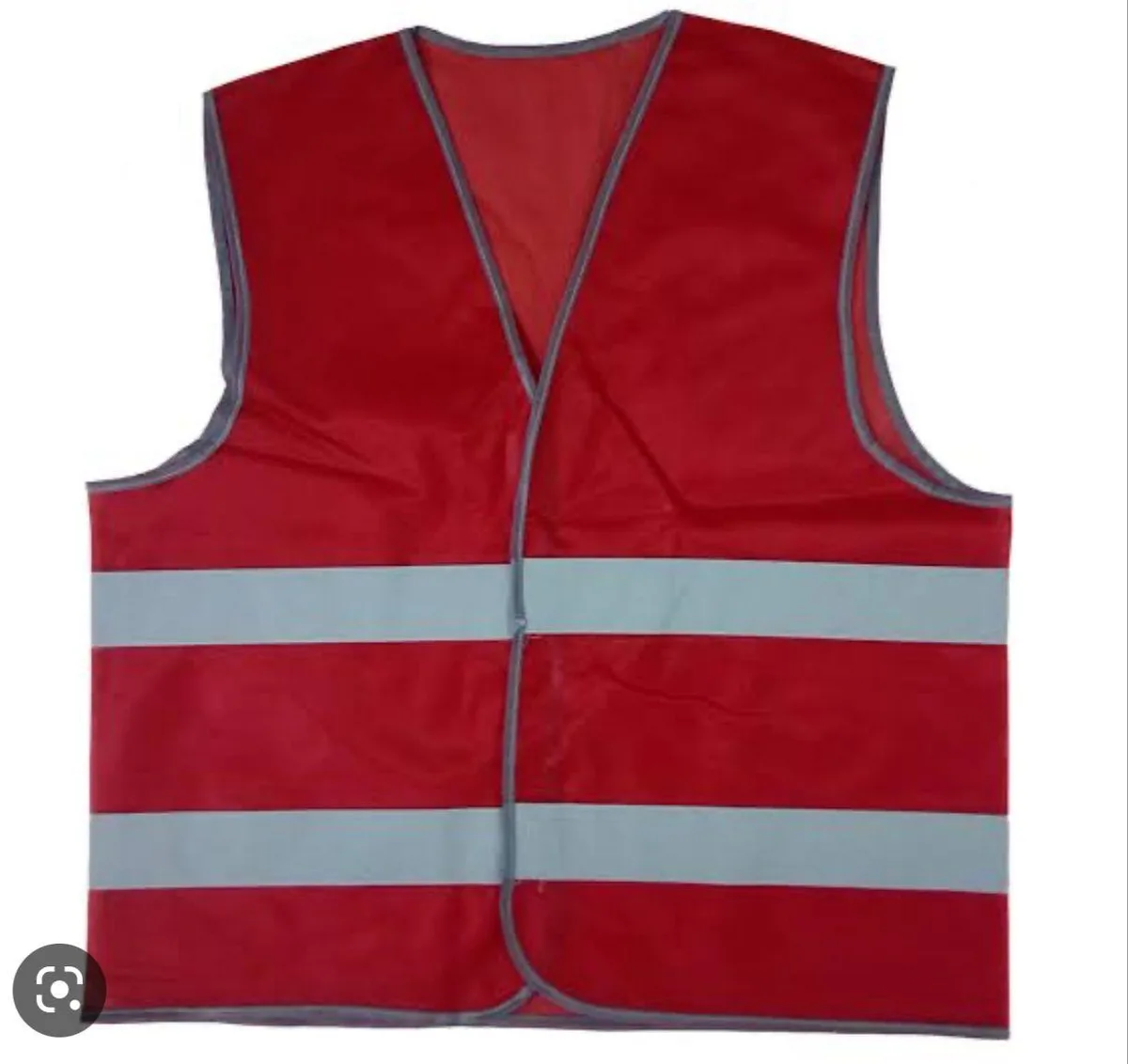
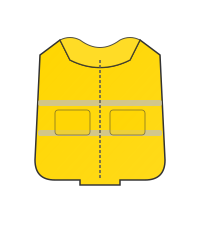
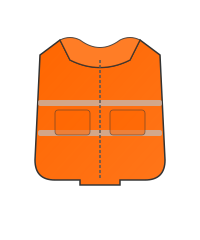
The fluorescent background material is what makes workers visible during daylight hours. EN ISO 20471 specifies that this material must fall within defined chromaticity coordinates — essentially restricting the allowable colors to fluorescent yellow, fluorescent orange-red, and fluorescent red. These specific hues are scientifically chosen because they contrast most strongly against typical workplace backgrounds (grey concrete, dark asphalt, green vegetation, brown earth) under daylight conditions.
İlke Textiles sources fluorescent fabrics from certified European and Turkish mills that undergo regular color consistency testing. Each fabric batch is verified against the standard's chromaticity requirements before entering production. This batch-level control ensures that every vest we ship meets the precise color specification — not just the first production run, but every subsequent repeat order as well.
Retroreflective Tape Specifications
Retroreflective tape is the component that makes workers visible at night when illuminated by vehicle headlights or machinery lighting. EN ISO 20471 specifies minimum coefficients of retroreflection (measured in cd/lx/m²) at specific entrance and observation angles. The tape must perform effectively when light strikes it from various directions — not just head-on — because real-world visibility scenarios involve vehicles approaching from different angles.
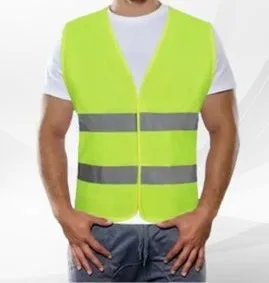
Our factory uses retroreflective tape from leading manufacturers including 3M Scotchlite and equivalent certified suppliers. We apply tape using both heat-seal bonding and industrial stitching methods, depending on the garment design and end-use requirements. Heat-sealed tape provides a cleaner appearance and excellent wash durability, while sewn tape offers additional mechanical security for heavy-duty applications. All tape application follows the standard's placement rules: horizontal bands around the torso, with specific minimum widths (50mm recommended) and spacing requirements to ensure the wearer is recognizable as a person from all angles.
The 50-Wash Durability Requirement
One of the most critical aspects of EN ISO 20471 is the requirement that garments maintain their performance properties through a defined number of wash cycles. The standard requires testing after a minimum number of cleaning cycles (typically 25 for basic and 50 for professional use) to verify that both the fluorescent color and retroreflective performance remain within specification. İlke Textiles tests all certified products to 50 wash cycles at 60°C in accordance with ISO 6330, verifying both color fastness and retroreflective coefficient retention. This testing is conducted by accredited third-party laboratories, and test reports are available upon request.
CE Marking and Declaration of Conformity
Hi-vis vests sold within the EU must carry CE marking and be accompanied by a Declaration of Conformity (DoC) issued by the manufacturer. As a CE-marked manufacturer, İlke Textiles provides complete documentation packages for every hi-vis product including the EU Declaration of Conformity referencing EN ISO 20471:2013, type examination certificates from notified bodies, technical file documentation, user information and care labeling in the required languages, and test reports from accredited laboratories. This documentation package ensures that our customers face no compliance issues when importing hi-vis vests into EU, Balkan, or other markets that recognize CE marking.
Application-Specific Recommendations
Selecting the correct hi-vis class depends on your specific operational environment. For road construction and highway maintenance, Class 3 garments are typically mandated by national regulations. For warehouse and logistics operations, Class 2 provides the right balance of visibility and wearability. For visitor identification in controlled environments, Class 1 often meets the minimum requirement. Our technical sales team can advise on the appropriate specification for your industry and regulatory jurisdiction — contact us with details of your application for a tailored recommendation and quotation.